
"coffee farming Peru"
400 article(s) found

Peruvian Coffee Variety Fespanong Bourbon Variety washing Peruvian Coffee Flavor
Professional coffee knowledge exchange more coffee bean information please pay attention to the coffee workshop (Wechat official account cafe_style) Peru-Kahamakafispa Farm Bourbon varieties washing Peru-CajamarcaFinca FespaBourbon Washed region Cajamaca County Ubalu County Ubaru County Uberco Farmer Wilder Gracia varieties Bourbon picking method of ripe beans
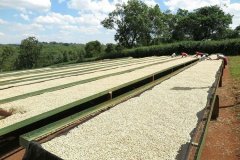
Peru Villa Rica (Villarica Manor) SHG Organic Coffee Bean planting introduction Flavor description
Peru Villa Rica (Vilarika Manor) SHG Organic Coffee beans the coffee growing area in Peru is mainly located in the central Chanchamayo region, the two most famous planting areas in this area are Villa Rica and La Merced, respectively, and the main varieties are Typica Arabica. The history of Peruvian coffee cultivation dates back to about 1930 when a group of Germans emigrated to Villa Rica District to open coffee.

Is Peruvian coffee special? what are the flavor characteristics of Peruvian coffee beans?
Professional coffee knowledge exchange more coffee bean information Please pay attention to the coffee workshop (Wechat official account cafe_style) in the coffee industry, in fact, Peru's growing history is not long, but Peru is a producer of fine coffee, and only 10% of the Arabica beans in the world are called fine coffee. Peru has a unique natural environment: high altitude, plateau climate

Peruvian Coffee background and current situation Peruvian Coffee grading system Peruvian Coffee treatment
The Historical background and present situation of Peruvian Coffee Peru had its first coffee shop as early as 1771, but it was not until 1895 that Peru began to export coffee beans. On the lush slopes of the Andes, many older farms and small farmers continue to grow primitive varieties brought by early settlers. Most farmers are of Indo-Canadian origin and speak Spanish as a second language.

What is the best coffee in Peru? which producing area is planted? how about Peruvian organic coffee?
Professional coffee knowledge exchange more coffee bean information please follow the coffee workshop (Wechat official account cafe_style) Peru-the most mysterious country in South America. From September 21, 2016, there will be a conditional visa-free for Chinese tourists. In Peru, you can feel the former Inca civilization and Amazon tribes, Peru, which is known as one of the best cooking countries in the world.

How about Peruvian coffee? What are the producing areas of Peruvian coffee? How do you drink Peruvian coffee?
Professional coffee knowledge exchange more coffee bean information please pay attention to the coffee workshop (Wechat official account cafe_style) Peruvian coffee has always been used as one of the stable mellow mixed beans of comprehensive coffee, which is relatively low-key in the coffee industry. But as more and more people like the mellow taste of Peruvian coffee, Peruvian coffee has sprung up rapidly in the international market in recent years, winning many international coffee awards.

Introduction of Micro-batch Peruvian Fine Coffee made by Geisha in Vera Rika Manor, Peru
For more information on coffee beans, please follow the Coffee Workshop (official Wechat account cafe_style). In Peru, the geisha washing microbatches are mainly small farmers, each with a land area of less than two hectares, producing about 3000 pounds of coffee per hectare. Organic cultivation has a very long history and is quite common in Peru. But in recent years,

What's the name of the best Peruvian coffee? what's the flavor of Peruvian coffee?
Professional coffee knowledge exchange more coffee bean information please pay attention to the coffee workshop (Wechat official account cafe_style) Peruvian coffee also has an important position in the world, some Peruvian beans are also quite amazing. However, a few days ago, Reuters reported that the country's main coffee association had previously said that Peruvian coffee producers were abandoning their farms and planting them instead.

Characteristics of flavor and taste of chocolate wine with various coffee beans in different producing areas of ten major coffee producing areas in Peru
Peru is rich in ecological diversity. From the Amazon jungle to golden beaches, from the towering Andes to one of the largest lakes in South America, it has a variety of landscapes and climates. The same is true of its coffee. Peru is the 11th largest coffee producer in the world, but it not only offers quantity, but what is more amazing is that it has ten different producing areas, each of which has

Peruvian Cajamarca Cajamarca coffee flavor characteristics _ what is used to bake Peruvian coffee beans
Professional coffee knowledge exchange more coffee bean information please follow the coffee workshop (Wechat official account cafe_style) Peruvian coffee Cajamarca medium roast official recommended use device: Italian extra strong / Philharmonic pressure / V60 official flavor description: orange, lime, taffy, dried walnut when it comes to Peruvian coffee, the most likely association is organic certified coffee. Organic coffee from Peru
Peruvian Coffee Organic Coffee Identification: several major certification institutions for organic coffee
Professional baristas please follow the coffee workshop (Wechat official account cafe_style) Peruvian Zen tea Mayo most of the Peruvian coffee is organic, mainly on small-scale farms, mostly grown at the foot of the Andes. Peru, with mountains accounting for 1% of the country's total area, belongs to a tropical desert region with a dry and mild climate. The average annual precipitation of 18-26 ℃ is mild 700~1500mm, which makes here
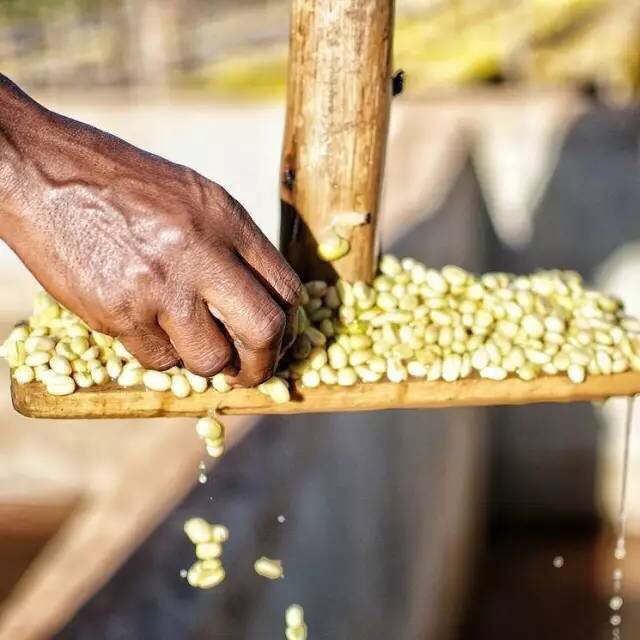
Peruvian Parkmanu Zen tea Mayou extremely low defect hazelnut cherry sweet boutique coffee ripe beans
Professional baristas please follow the coffee workshop (Wechat official account cafe_style) Peruvian Zen tea Mayo most of the Peruvian coffee is organic, mainly on small-scale farms, mostly grown at the foot of the Andes. Peru, with mountains accounting for 1% of the country's total area, belongs to a tropical desert region with a dry and mild climate. The average annual precipitation of 18-26 ℃ is mild 700~1500mm, which makes here

What is the flavor and taste of Peruvian organic coffee Haya Coffee Peruvian Antina? Peruvian organic coffee
Professional coffee knowledge exchange more coffee bean information please follow the coffee workshop (Wechat official account cafe_style) Peruvian organic coffee Haya coffee Peruvian taste and taste? Introduction to Peruvian organic coffee? Cajamarca is a large region of northern Peru, bordering Ecuador to the north, between the Amazon Plain and the Andes. Located on both sides of the Cajamarca River

Starbucks selects Peruvian Joan Carrie Coffee Bean Story _ Peruvian Joan Carrie Coffee Bean brewing sharing
Professional coffee knowledge exchange more information about coffee beans Please follow the coffee workshop (Wechat official account cafe_style) Peru is located in western South America and is famous for its organic coffee. Although Peru is rich in coffee, only 10% of Arabica beans can be called boutique. Many people are not optimistic about Peruvian boutique coffee, but Peruvian coffee has been trying to get better. Producing area: Joan, Latin America

What are the characteristics of Peruvian coffee Peru? Peruvian coffee cooperative introduces Peruvian coffee flavor
Peru is dominated by small farmers. Each small farmer has less than two hectares of land and produces about 3000 pounds of coffee per hectare. Peruvian coffee is planted in high altitude areas, mainly Arabica varieties. Under the slow mature growth, the density of beans here is higher, and the flavor changes a lot. Among them, the highest altitude, Peru's most important coffee producing area is: cha Mayou C.
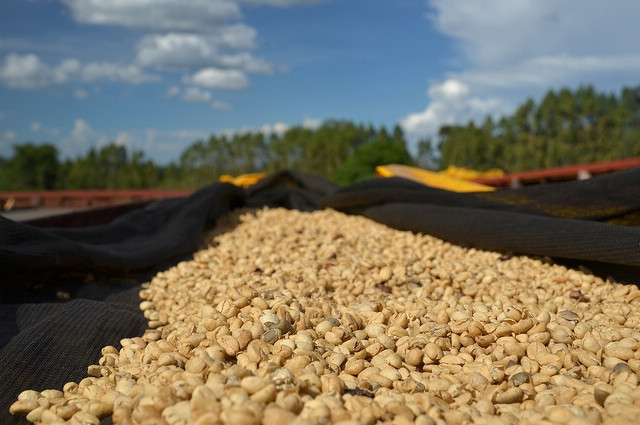
Boutique coffee Peru Peruka Hamaka Sunshine Cooperative Fair Trade washing treatment of ripe beans
Country: Peruvian production area: Cajamaca altitude: 1800-2000 m treatment: washed varieties: Tibika, Kaddura, Bourbon, Caduai producer: sunshine Cooperative Flavor: nut, Caramel, Cream Sunshine Cooperative (SOL Y COOP) was established in 2005, located in the Cajamarca coffee producing area of Peru (Peru) in South America, the And Mountains.

Summary of Coffee Transmission path Sunshine Cooperative Fair Trade washing Office in Peruka Hamaka producing area, Peru
① coffee seeds were first brought into the Mysore Mountains of India by the Islamic Ranger Babudan in 1600, and by 1840, the British began to grow coffee on a large scale in India. ② in 1616 Dutch merchants introduced the first coffee tree from Mocha, Yemen. ③ in 1658 the Dutch began to grow coffee in Ceylon (now Sri Lanka). ④ in 1699 some coffee trees came from

Cajamarca, Peru Location Elevation Climate Coffee Growing Conditions
Professional coffee knowledge exchange More coffee bean information Please pay attention to coffee workshop (Weixin Official Accounts cafe_style) Peru is located in the west of South America, facing the Pacific Ocean in the west, bordering Brazil, Colombia and Bolivia, several well-known coffee-producing countries in South America. The Andes Mountains run through the north and south. The geographical environment and climate influence of diversified producing areas produce many different kinds of coffee. do
How to choose Fairtrade Fairtrade Coffee from Sunshine Cooperative in Cajamaka producing area of Peru
Peru coffee Peru (Peru) is also a major coffee producer. Peruvian coffee producing areas: up to 98% of Peruvian coffee is grown in forest areas, and most of the producers are small farmers. Peru's finest coffee is produced in Chanchmayo, Cuzco, Norte and Puno. Most Peruvian coffee is grown under natural conditions.
Peruka Hamaka producing area Sunshine Cooperative Fair Trade Coffee beans in Peru
Sunshine Cooperative (SOL Y COOP) was established in 2005, located in the Cajamarca coffee producing area of Peru (Peru) in South America, the eastern mountain area of the Andes Mountains, the cooperative is surrounded by natural primeval rainforest, a large amount of fine sand provides a well-drained soil, the daily afternoon intermittent rain brings abundant Rain Water and moisture, and native animals and plants create natural.